When you’re trying to eat healthy without overspending, it’s easy to get overwhelmed by the organic section at the grocery store. Some organic options cost significantly more than their conventional counterparts—but are they worth the price? The good news is, not everything needs to be organic. By knowing which items matter most, you can shop smarter and protect both your health and your budget.
Here’s how to make strategic decisions about when to go organic—and when to skip it.
Use the Dirty Dozen and Clean Fifteen
Each year, the Environmental Working Group (EWG) releases two lists to help shoppers make informed choices:
- The Dirty Dozen: Produce with the highest levels of pesticide residue, even after washing
- The Clean Fifteen: Items that are typically low in pesticides and considered safer to buy non-organic
Buy Organic (When Possible):
According to the EWG’s most recent guide, the following items consistently rank on the Dirty Dozen list and are worth buying organic when budget allows:
- Strawberries
- Spinach
- Kale
- Peaches
- Apples
- Grapes
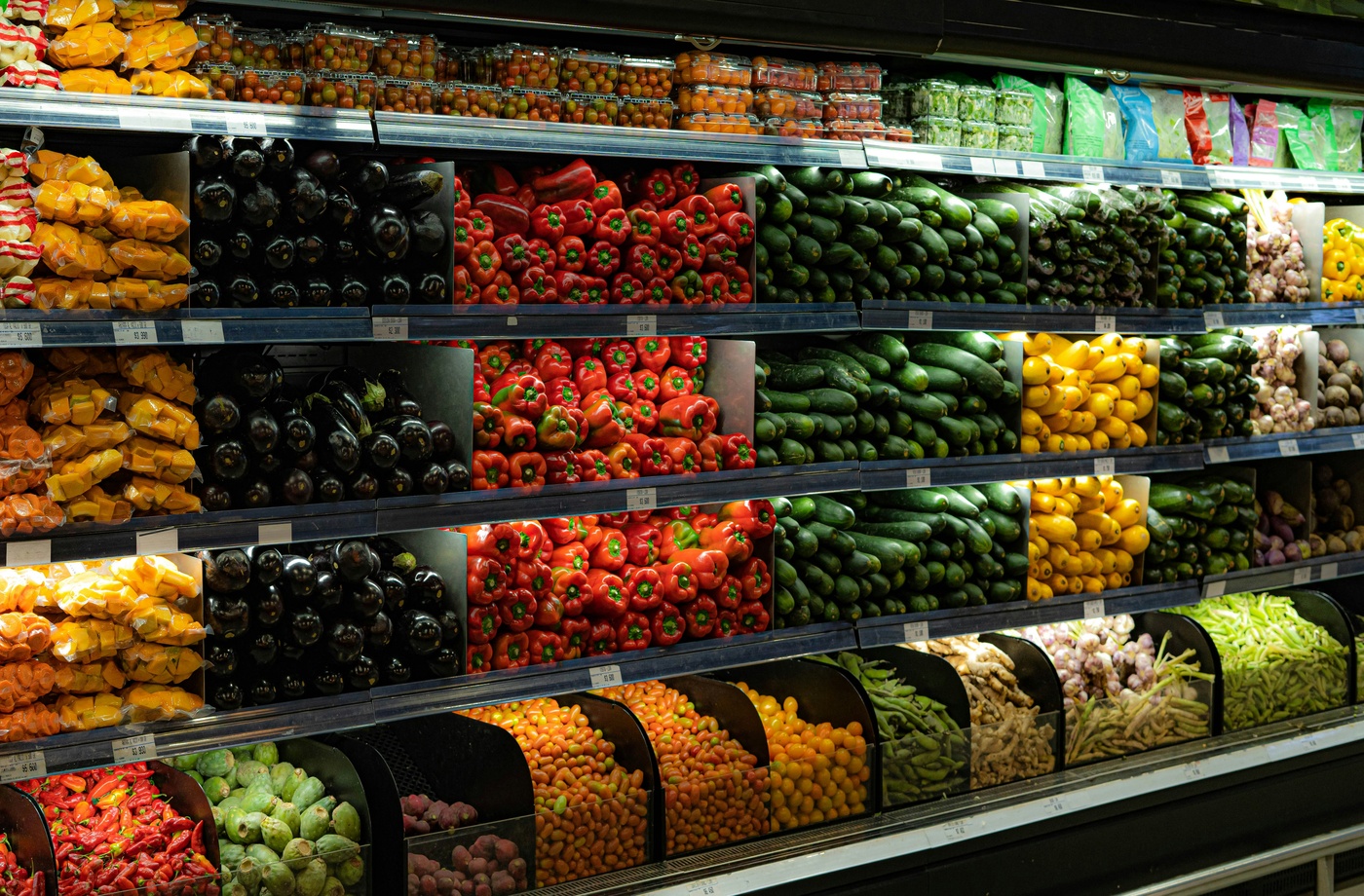
- Bell peppers
- Cherries
- Blueberries
- Green beans
These items tend to absorb pesticides due to thin skins or high surface exposure.
Okay to Skip Organic:
On the other hand, Clean Fifteen produce is often protected by peels or has minimal pesticide risk. Examples include:
- Avocados
- Pineapples
- Sweet corn
- Onions
- Mushrooms
- Cabbage
- Watermelon
- Carrots
- Mangoes
- Bananas
Choosing conventional versions of these items can help you redirect your budget toward higher-priority organic produce.
Know When It Doesn’t Matter
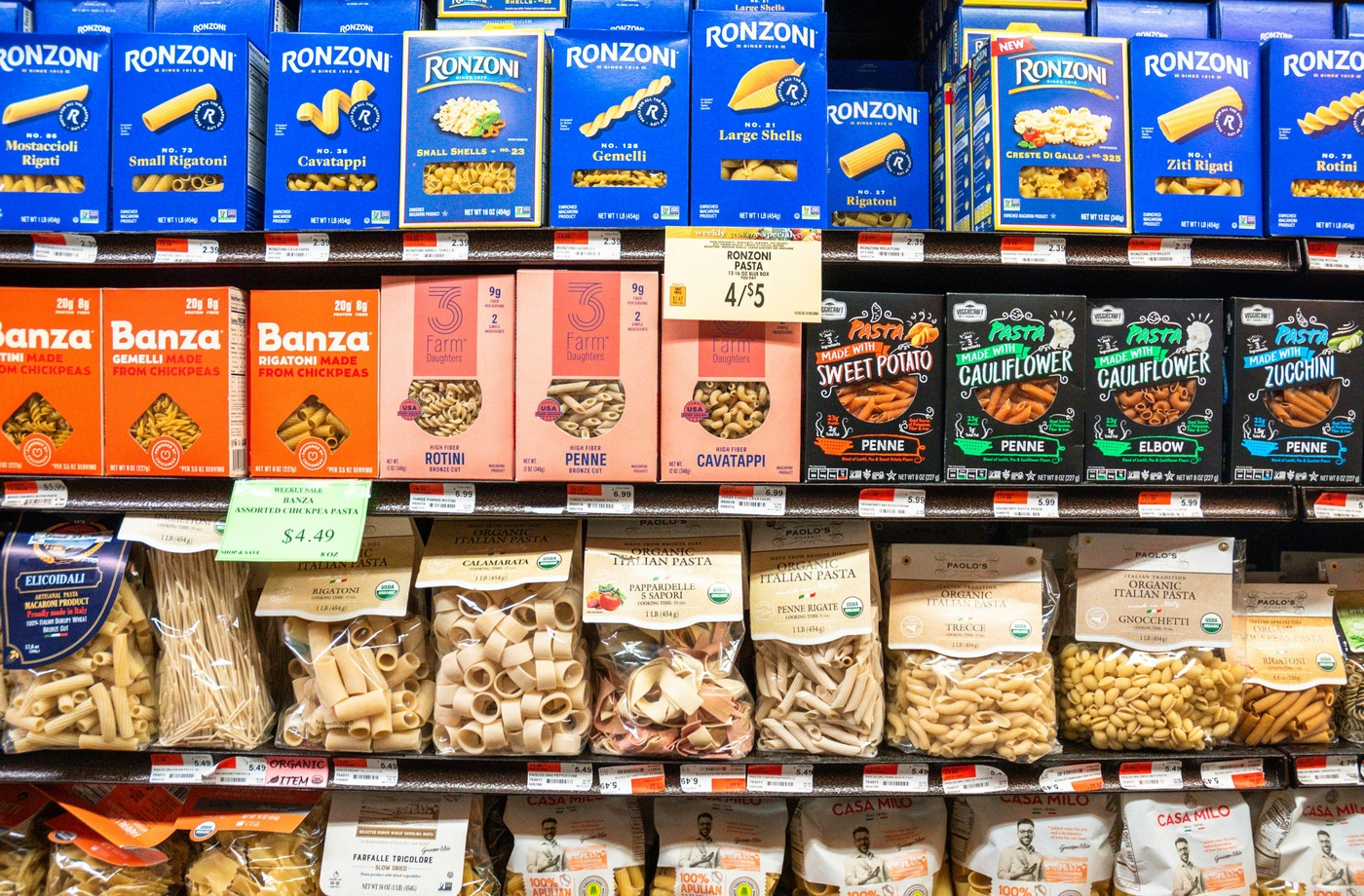
Some foods, like grains, packaged snacks, or canned goods, are often labeled organic but don’t provide a major health benefit compared to their non-organic counterparts—especially when eaten occasionally. If you’re watching your budget, focus your organic spending on fresh produce, dairy, and meat (if applicable) rather than on processed items.
Consider Store Brands and Membership Clubs
Many grocery chains now offer organic store brands at competitive prices. If you have access to stores like Costco or BJ’s Wholesale, buying organic in bulk can also reduce the per-unit cost.
Look for In-Season Organic Deals
In-season produce—organic or not—is usually cheaper. Check your store’s weekly ad, such as the Safeway Weekly Ad or H-E-B Digital Coupons, for promotions on organic fruits and vegetables.
You can also reduce spending by combining loyalty programs, digital coupons, and cashback tools (like rebate apps) to stretch your dollar further—especially when stocking up on organics.
Final Thoughts
You don’t need to buy everything organic to eat well. By using the Dirty Dozen and Clean Fifteen as your guide and shopping sales and store brands strategically, you can protect your health while keeping your grocery bill in check. Organic shopping is less about going all-in and more about making thoughtful choices based on what matters most.