Bulk buying is often seen as a foolproof way to save money, especially at warehouse clubs and discount retailers. But bigger isn’t always better—especially if you’re buying more than you need, or paying for quantity without checking the true cost per unit. While bulk purchases can deliver savings on some essentials, they can also lead to food waste, overspending, and overlooked alternatives like cashback gift cards.
Here’s how to tell when bulk is worth it—and when to skip it.
When Bulk Buys Actually Pay Off
There’s no denying that bulk shopping can be a smart strategy when it’s done right. These items tend to offer true value when purchased in larger quantities:
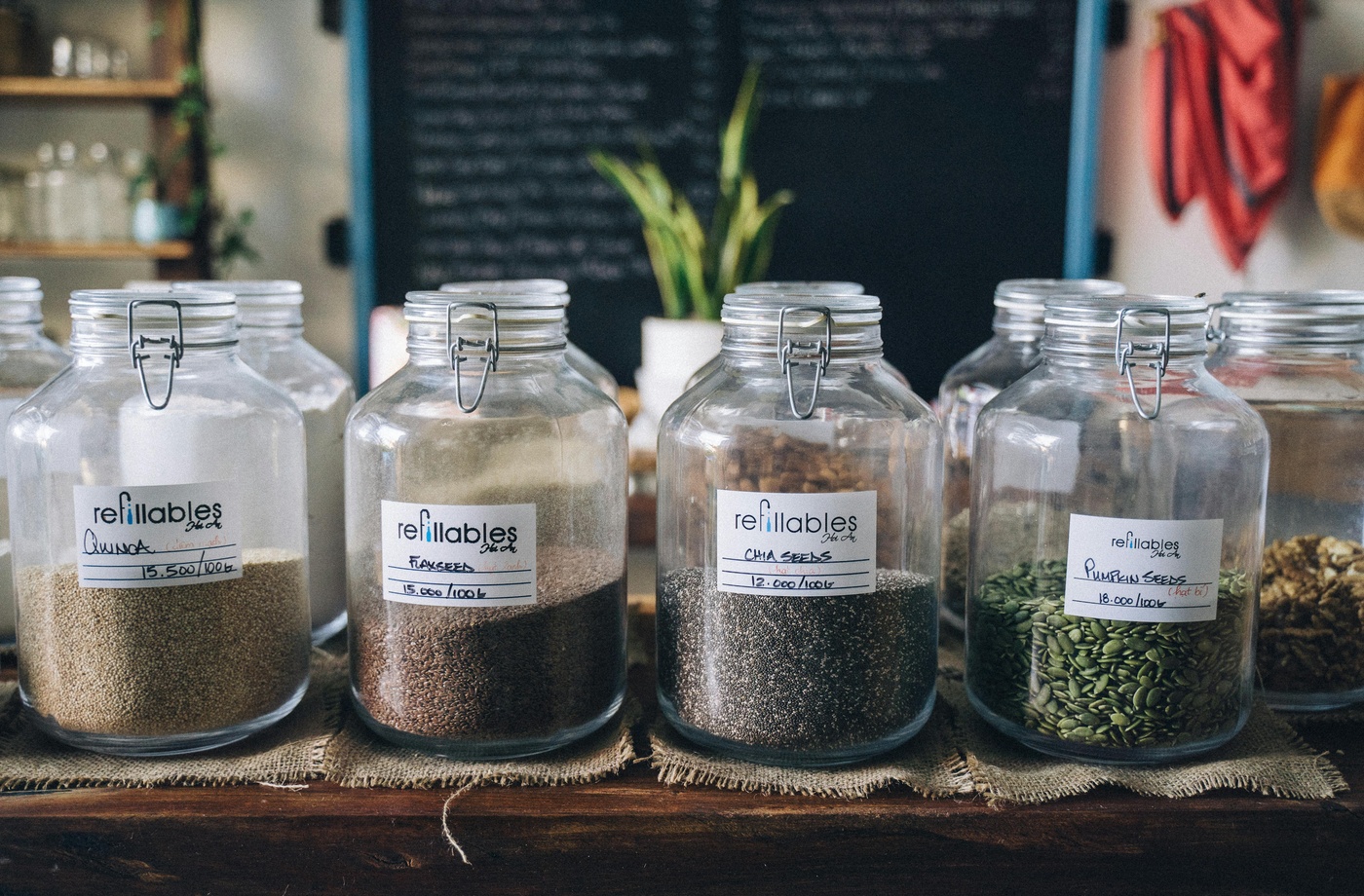
- Pantry staples: rice, oats, pasta, canned beans
- Toilet paper and cleaning products
- Frozen meats or vegetables (if you have freezer space)
- Snacks or drinks for large families or events
Stores like Costco, Sam’s Club, and BJ’s Wholesale Club specialize in these categories. If you shop at BJ’s, you can earn cashback with a BJ’s gift card and apply that savings directly at checkout for even greater value.
Why Bulk Doesn’t Always Mean Saving
Despite the potential, there are several cases where buying in bulk is actually more expensive—or just wasteful:
- Spoilage risk: Large containers of produce, dairy, or baked goods often spoil before you can use them. Wasting food cancels out any savings.
- Higher upfront cost: Buying bulk requires more cash upfront. This can stretch your budget thin if you’re not planning your purchases carefully.
- Unit price deception: Retailers know shoppers assume bulk is cheaper. But smaller items on sale often beat the unit price of bulk packages.
- Limited storage space: If your pantry or freezer can’t handle bulk items, you may end up cluttered or tossing food that’s expired or stale.
- Impulse buys: Bulk stores are notorious for tempting you with “deals” that aren’t on your list. Sticking to essentials becomes harder when you’re surrounded by oversized packaging and seasonal promotions.
How to Check If It’s Really a Deal
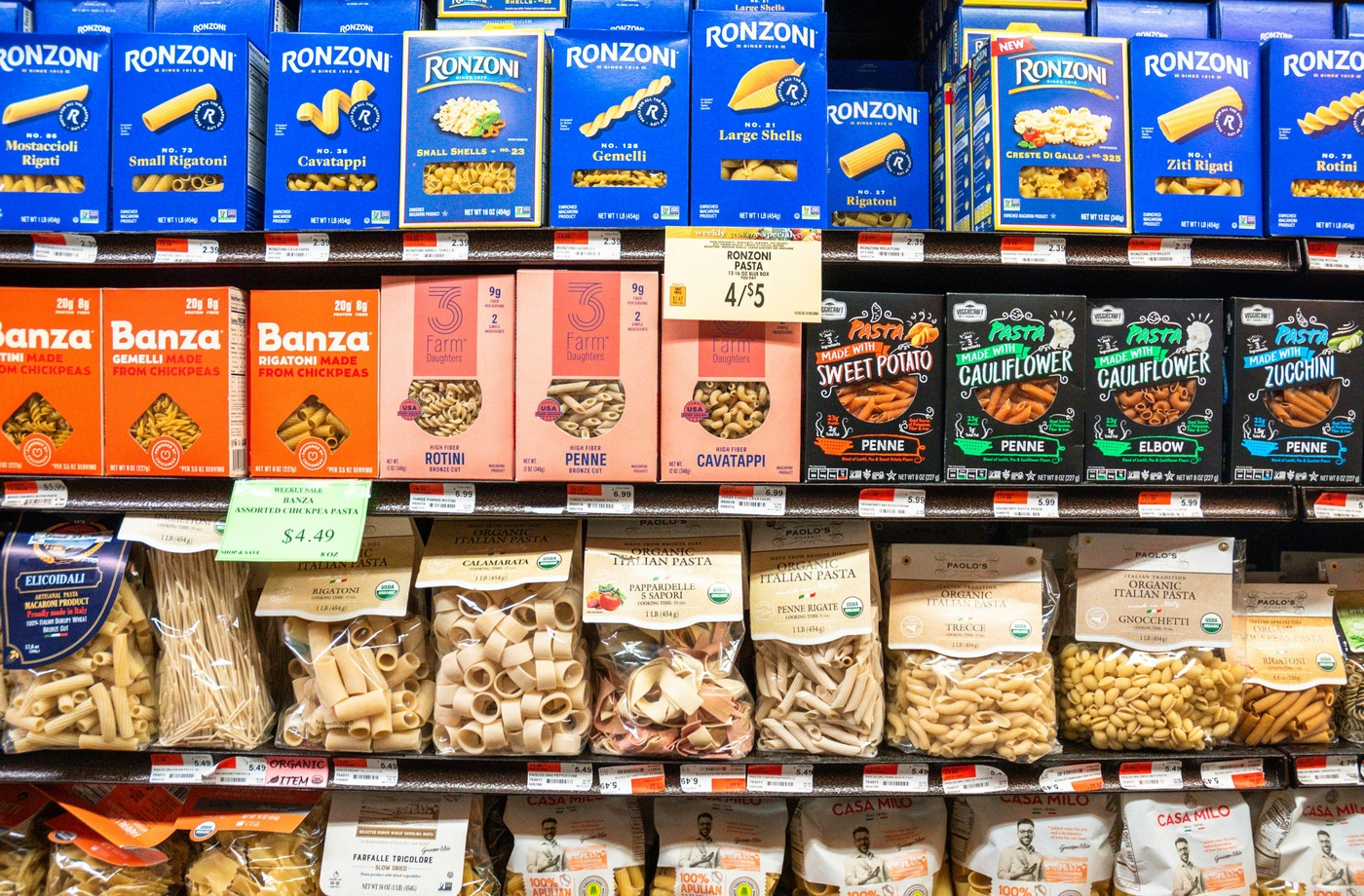
Always calculate the unit price (price per ounce, pound, or count). Many stores list it on the shelf tag, or you can divide the total price by the item’s weight or quantity. If a smaller package is on sale, it may cost less per unit than the bulk version.
Apps like Target, Walmart Grocery, and Instacart let you compare product sizes and prices quickly—so you can check before you commit.
Combine Bulk with Instant Cashback Tools
One overlooked way to enhance bulk savings is by using cashback gift card platforms. Before shopping at warehouse clubs or grocery stores, check Fluz for available gift cards. For example, you can get rewards with a BJ’s gift card and earn cashback with a Walmart gift card before placing a large grocery order.
This approach lets you stack warehouse pricing with instant gift card cashback, giving you savings on both the purchase and the payment method.
Alternatives to Buying in Bulk
If you don’t have a warehouse club membership or don’t need massive quantities, consider combining digital coupons and weekly store promotions. Stores like H-E-B, Safeway, and Kroger offer rotating deals that often beat bulk prices—especially when paired with rebate apps or gift card rewards.
You can even earn cashback with a Safeway gift card or get rewards with a Kroger gift card through Fluz and still use store loyalty programs to maximize discounts.
Final Thoughts
Buying in bulk can offer solid savings—but only when it aligns with your actual consumption habits, budget, and storage space. By calculating unit prices, avoiding unnecessary items, and using gift card cashback tools like Fluz, you can stretch your grocery budget without falling for the bulk-buying myth. Bigger isn’t always better—smarter is.